
Journalism was a powerful tool in the growing years of our country. It inspired thought and influenced political matters. What was just 100 or so papers and printers has progressed into a far more complex institution and idea. It is not simply a printer, editor, or writers per se. It includes photographers, graphic designers, copy editors, printers. layout designers, etc.
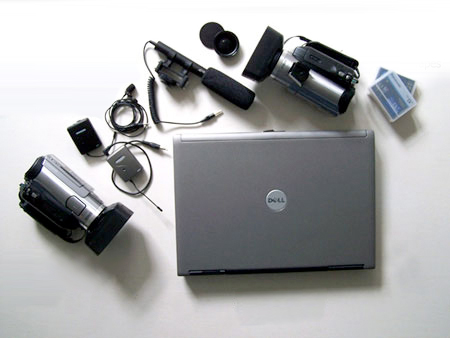 Journalists have also changed along with the technology. Their practice and range of knowledge in the field has expanded dramatically. Reporters must be photographers. Layout editors must also act as copy editors. When you become a journalist, it isn’t just a job title anymore.
This idea of having a vast knowledge of it all in journalism creates a struggle for students and beginners at first. But if they can master different aspects of multiple mediums, it will give them a fast pass into the limited career field. Many in the journalism and media field today support this idea and theory for upcoming generations. One such person is considered one of the pioneers of backpack journalism, having decades of experience in many different mediums, Bill Gentile. He is the founder and leader of an organization based in American University called the Backpack Journalism Project, which promotes and teaches the new methods and modes of the evolving journalism world.
Bill Gentile, American University www.billgentile.com
So what will be the final decision for the practice of journalism? The constant speed and movement in media today effects every form and medium and how they produce their works. We can’t hide from the upgrade in society, yet are concerned with the consequences of our embracing this new style. We need to either hope the economy recovers so we have jobs for all the positions found in backpack journalism, or start building our tool boxes.
 C.K.
C.K. 